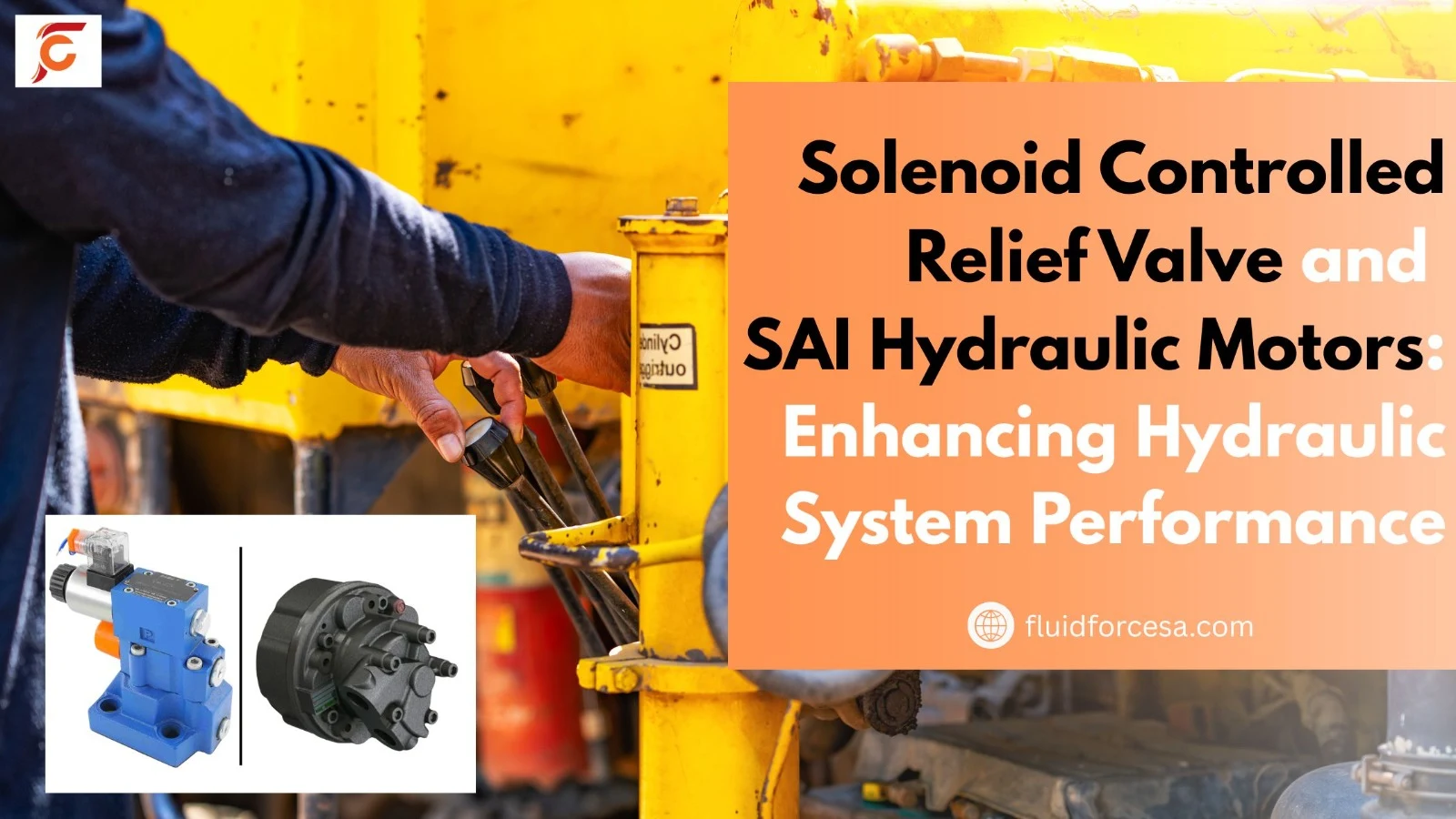
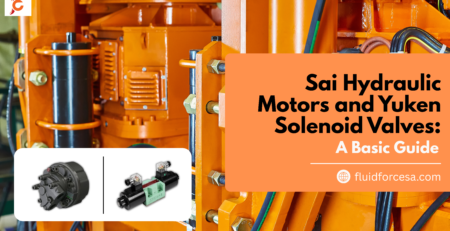
A solenoid controlled relief valve protects hydraulic systems by automatically regulating pressure through electrical actuation, while SAI hydraulic motors convert hydraulic energy into powerful rotational motion for demanding industrial applications. Together, they improve system safety, efficiency, and operational reliability in modern hydraulic circuits.
Definition
Hydraulic systems rely on precise pressure control and efficient power transmission. Two critical components that support these functions are solenoid controlled relief valves and SAI hydraulic motors.
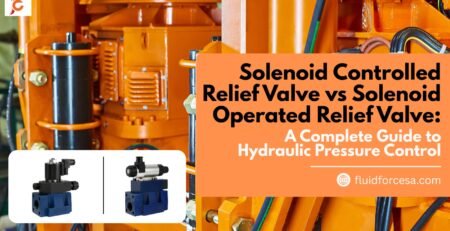
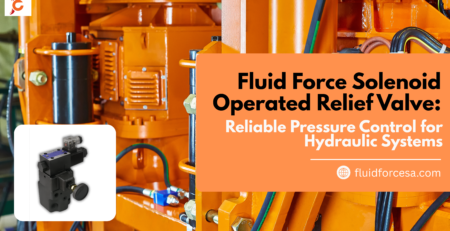
A solenoid controlled relief valve is an electrically operated pressure control device designed to limit maximum system pressure. When pressure exceeds a predefined setting, the valve opens and diverts excess fluid back to the reservoir.
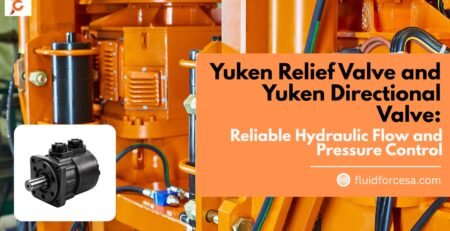
SAI hydraulic motors are high-performance radial piston hydraulic motors engineered to deliver exceptional torque at low speeds. They are widely used in heavy-duty industrial and mobile hydraulic applications where consistent power output is essential.
Benefits of Solenoid Controlled Relief Valves
Improved Pressure Control
These valves provide accurate and responsive pressure regulation, helping prevent system overloading and component damage.
Enhanced Automation
Because they are electrically controlled, solenoid-operated valves can easily integrate with PLCs and automated control systems, enabling remote operation and real-time pressure management.
Increased Equipment Protection
Maintaining safe pressure levels extends the lifespan of pumps, actuators, hoses, and other hydraulic components.
Energy Efficiency
By releasing excess pressure only when necessary, these valves help reduce unnecessary energy losses within hydraulic circuits.
Benefits of SAI Hydraulic Motors
High Starting Torque
SAI hydraulic motors are specifically designed to deliver substantial torque even at very low rotational speeds, making them suitable for heavy-load applications.
Reliable Performance
Their robust construction ensures long service life in demanding environments such as mining, marine operations, steel plants, and material handling systems.
Smooth Operation
The radial piston design minimizes vibration and provides smooth power delivery under varying load conditions.
Compact Power Density
These motors offer impressive torque output while maintaining a relatively compact footprint, allowing efficient equipment design.
How Solenoid Controlled Relief Valves Work with SAI Hydraulic Motors
In hydraulic systems utilizing SAI hydraulic motors, pressure management is critical. Excessive pressure can negatively impact motor efficiency, increase wear, and potentially cause system failures.
A solenoid controlled relief valve continuously monitors system pressure. When pressure exceeds the predetermined threshold, the valve opens and diverts hydraulic fluid, protecting both the motor and the overall hydraulic circuit.
This coordinated operation offers several advantages:
- Stable hydraulic performance
- Improved motor protection
- Reduced maintenance requirements
- Enhanced system safety
- Better energy utilization
Step-by-Step Guide: Selecting the Right Components
Step 1: Determine System Pressure Requirements
Analyze the maximum operating pressure and safety margins required for the hydraulic system.
Step 2: Evaluate Load Conditions
Identify the torque and speed requirements of the application to ensure proper motor selection.
Step 3: Choose an Appropriate Relief Valve
Select a solenoid controlled relief valve with suitable pressure ratings, response characteristics, and electrical specifications.
Step 4: Select the Correct SAI Hydraulic Motor
Choose a motor based on displacement, torque output, operating speed range, and environmental conditions.
Step 5: Verify System Compatibility
Ensure that pumps, valves, motors, and control systems are compatible and designed to operate efficiently together.
Step 6: Perform Regular Maintenance
Inspect pressure settings, hydraulic fluid condition, seals, and electrical connections to maintain optimal performance.
Industrial Applications
Both solenoid controlled relief valves and SAI hydraulic motors are commonly used in:
- Construction equipment
- Material handling systems
- Mining machinery
- Marine equipment
- Agricultural machinery
- Industrial automation systems
- Steel and metal processing plants
- Winches and conveyor systems
Scientific Perspective
Research in fluid power engineering demonstrates that precise pressure control significantly improves hydraulic system reliability and efficiency. Studies have shown that maintaining optimal operating pressure reduces component fatigue and minimizes energy losses.
Similarly, radial piston hydraulic motors such as SAI designs are recognized for their high volumetric efficiency and ability to generate substantial torque at low speeds. These characteristics make them highly effective for applications requiring continuous heavy-duty operation.
Frequently Asked Questions (FAQ)
What is the primary purpose of a solenoid controlled relief valve?
Its primary function is to protect hydraulic systems by limiting maximum pressure and preventing overpressure conditions.
Why are SAI hydraulic motors preferred in heavy-duty applications?
They provide high torque at low speeds, excellent durability, and reliable performance under demanding operating conditions.
Can solenoid controlled relief valves be automated?
Yes. They are electrically actuated and can be integrated with PLCs, sensors, and automated control systems.
Do SAI hydraulic motors require special maintenance?
Routine hydraulic maintenance, including fluid monitoring, seal inspection, and periodic performance checks, is generally sufficient.
Which industries commonly use these components?
Construction, mining, marine, agriculture, manufacturing, and material handling industries frequently utilize these hydraulic technologies.
Conclusion
Solenoid controlled relief valves and SAI hydraulic motors play vital roles in modern hydraulic systems. While the relief valve ensures safe and controlled pressure management, the hydraulic motor delivers efficient mechanical power for demanding industrial applications. When properly selected and integrated, these components improve system reliability, operational efficiency, equipment protection, and overall productivity across a wide range of industries.
maintenance professionals, and industrial decision-makers make informed choices.