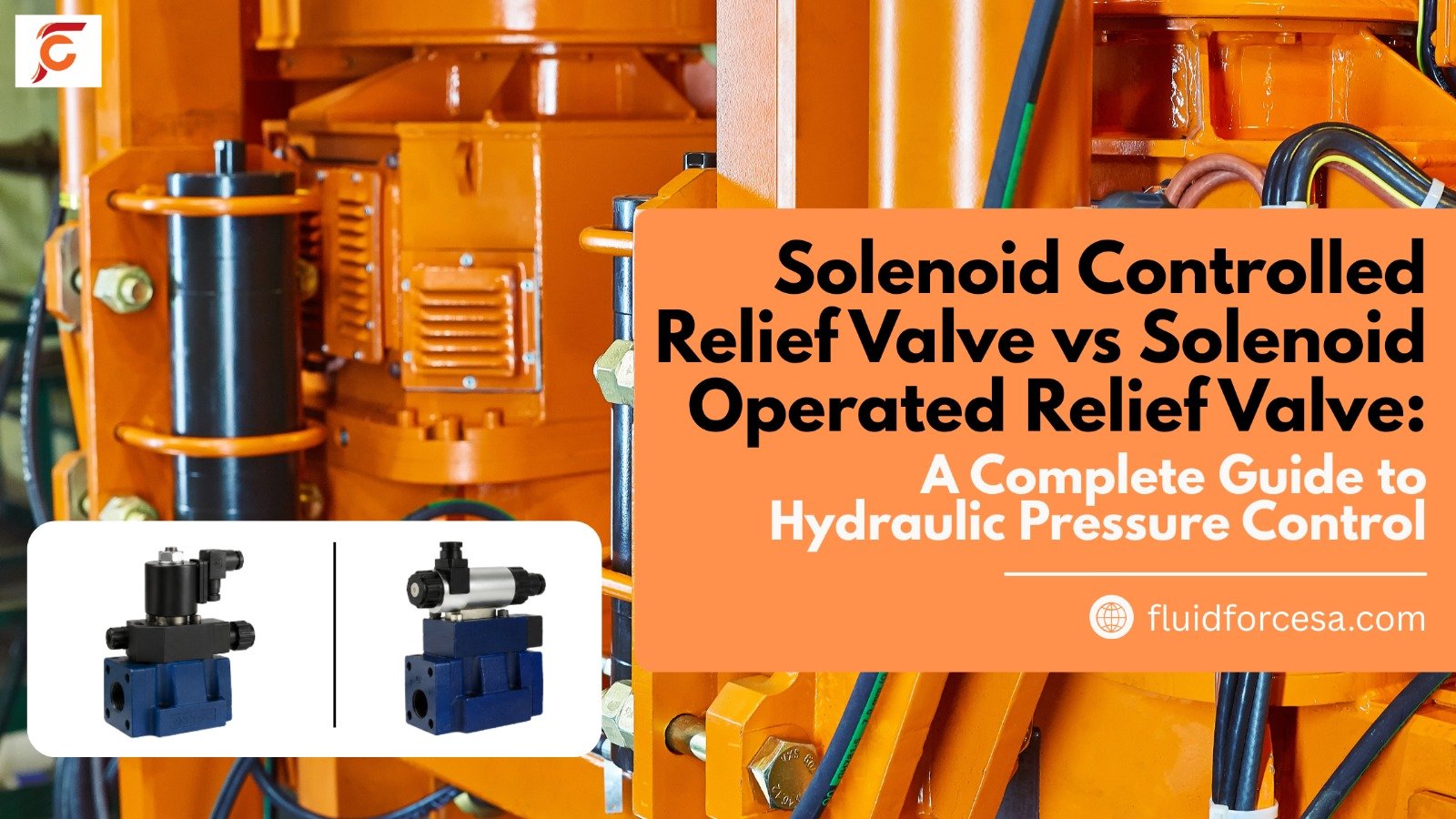
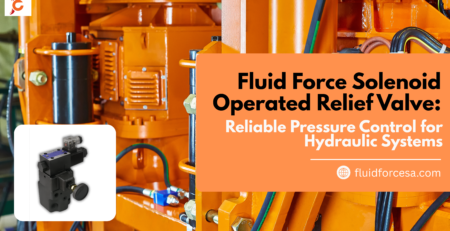
A solenoid controlled relief valve and a solenoid operated relief valve are essential components in hydraulic systems, where they are responsible for regulating system pressure. These valves use an electrical signal to control the flow of hydraulic fluid, protecting pumps, cylinders, motors, and other components from damaging overpressure. They are found across a wide range of machines and equipment, including industrial automation systems, construction equipment, and manufacturing lines, where they help keep the hydraulic circuit running smoothly and safely.
Understanding Solenoid Relief Valves
What Is a Solenoid Relief Valve?
A relief valve is a valve that helps control pressure within a hydraulic system. When system pressure rises above a set limit, the valve opens and diverts the excess fluid back to the tank, keeping the circuit within a safe operating range.
A solenoid controlled relief valve is a type of relief valve that uses an electrical signal to manage pressure, rather than requiring manual adjustment. This allows the pressure setting to be changed remotely, making the valve faster to operate and better suited to modern hydraulic systems.
A solenoid operated relief valve performs the same core function: it controls pressure within the system and can be switched or adjusted electrically, offering the same benefits of remote, automated control.
How Does It Work?
The valve is made up of several key parts, including a valve body, a spring, a spool or poppet, a pilot section, and an electromagnetic solenoid. Under normal conditions, the system operates at a set working pressure. When pressure rises above that setting, the valve opens and releases the excess fluid back to the tank.
When the solenoid receives an electrical signal, it changes the way the valve responds, allowing the operator to adjust pressure settings on demand. This is particularly useful for machines that need to run at different pressure levels depending on the task.
Benefits of Solenoid Relief Valves
Using solenoid relief valves offers a number of advantages for hydraulic systems:
Suit automated and remotely operated applications well
Provide consistent, repeatable pressure regulation
Applications and Selecting the Right Valve
Common Applications
These valves are used across a wide range of industries, including:
Hydraulic power units
Industrial automation systems
Injection molding machines
Press machines
Construction equipment
Agricultural machinery
Material handling equipment
CNC and machine tools
Manufacturing plants
They are especially useful wherever pressure in a hydraulic system needs to be controlled automatically, without relying on manual intervention.
Step-by-Step Guide to Selecting the Right Valve
Step 1: Determine System Pressure
Identify the operating pressure of the hydraulic system before selecting a valve.
Step 2: Select the Correct Flow Capacity
Choose a valve that can handle the required flow of hydraulic fluid without affecting system performance.
Step 3: Check Voltage Compatibility
Confirm that the solenoid voltage matches the machine’s electrical supply.
Step 4: Verify Mounting and Port Size
Check that the mounting pattern, thread type, and port dimensions are compatible with the system.
Step 5: Evaluate Operating Conditions
Consider fluid type, operating temperature, duty cycle, contamination level, and maintenance requirements before installing the valve.
Solenoid Relief Valve Overview
Feature
Description
Function
Controls the maximum hydraulic pressure
Operation
Hydraulic circuit with electrical solenoid control
Applications
Industrial and mobile hydraulic systems
Main Benefit
Automatic pressure regulation
Control Method
Remote electrical activation
Protection
Prevents excessive hydraulic pressure
Frequently Asked Questions
1. What is a solenoid controlled relief valve?
It is a valve that uses an electrical signal to control pressure within a hydraulic system.
2. What is the purpose of a solenoid operated relief valve?
Its main purpose is to protect the system from excessive pressure while allowing pressure to be adjusted electrically.
3. Where are these valves commonly used?
They are used in power units, industrial machinery, construction equipment, agricultural machines, CNC systems, and automated manufacturing equipment.
4. What should be considered before selecting a valve?
Operating pressure, flow capacity, voltage, mounting configuration, hydraulic fluid compatibility, and environmental conditions should all be considered.
5. Why are controlled relief valves preferred?
They offer faster response, remote operation, improved automation, and more precise pressure management compared to manually operated valves.
Sourcing and Support
Selecting the right solenoid relief valve is only part of the equation — reliable sourcing and ongoing support matter just as much. Working with a supplier that stocks genuine components, understands regional operating conditions, and can advise on the correct specification for a given application helps reduce downtime and avoid costly mismatches. Where an existing valve has started to underperform, repair and reconditioning is often a more cost-effective route than outright replacement, particularly for larger power units where the surrounding hardware is still in good condition. In-house and on-site repair services can extend the working life of a system’s existing components, restoring reliable pressure control without the lead time and expense of a full replacement.
A solenoid controlled relief valve plays an important role in maintaining hydraulic pressure and supporting automated machine operation. By combining pressure regulation with electrical control, these valves improve efficiency, reliability, and system protection across a wide range of industrial applications.
Choosing the right solenoid operated relief valve requires careful consideration of operating pressure, flow requirements, voltage compatibility, and installation specifications. The right valve helps ensure dependable hydraulic performance, protects valuable equipment, and supports long-term operational efficiency in modern fluid power systems.
ADDRESS:
Building # – 6514 – Sibawayh Street, Al Muhammadiya – Dammam – 32432, Kingdom of Saudi Arabia
In today’s industrial hydraulic systems, pressure control is no longer just about protection, it’s about efficiency, flexibility and remote operation. A...
Dowty hydraulic pumps are external gear pumps that powered a wide range of agricultural, construction, mobile, and industrial equipment for decades. Although...
Hydraulic systems depend on precise pressure control and reliable flow direction to keep industrial operations running safely and efficiently. Two components that...