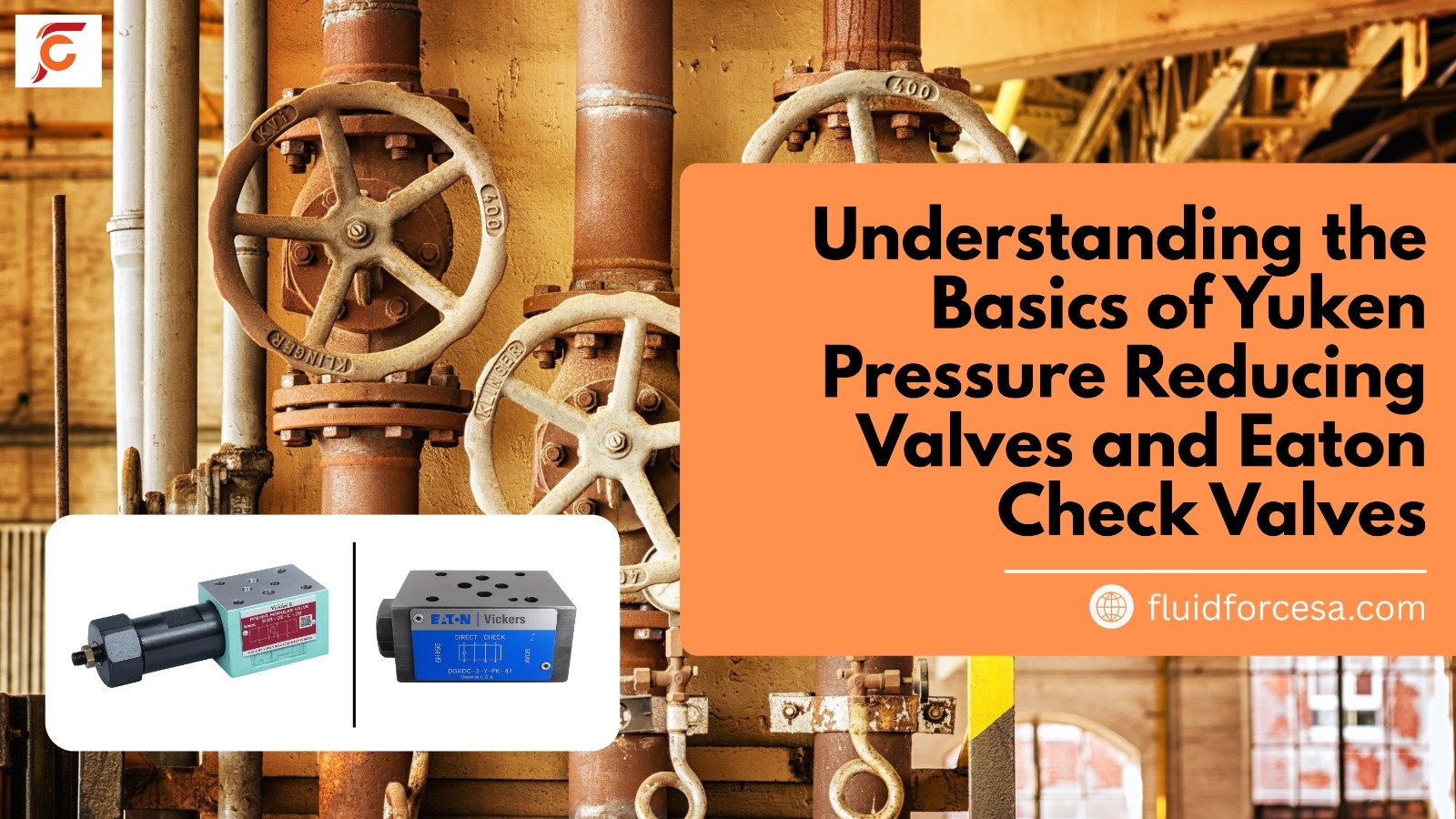
Hydraulic systems depend on precise pressure control and reliable flow direction to keep industrial operations running safely and efficiently. Two components that play a central role in achieving this are the Yuken pressure reducing valve and the Eaton check valve. Whether you are designing a new hydraulic circuit, troubleshooting an existing system, or simply trying to understand why these parts matter, getting familiar with their basic function is the first step toward better equipment performance. For businesses across Saudi Arabia and the wider Gulf region, sourcing a genuine, high-quality Yuken pressure reducing valve is essential to avoid unplanned downtime and costly repairs.
In this article, we will break down what each valve does, how it fits into a broader hydraulic system, and why choosing the right component matters for the long-term health of your machinery.
What Is a Yuken Pressure Reducing Valve and How Does It Work?
A pressure reducing valve is a type of hydraulic control valve designed to maintain a lower, secondary pressure in one part of a circuit while the main system operates at a higher pressure. Yuken, a globally recognized manufacturer of hydraulic components, produces pressure reducing valves that are widely used across manufacturing, construction, marine, and heavy industrial applications.
Unlike a relief valve, which protects a system by diverting excess flow back to the tank, a pressure reducing valve is normally open and only restricts flow when the downstream pressure reaches a preset limit. This makes it ideal for situations where a single hydraulic pump feeds multiple actuators or circuits that each require different operating pressures.
Key Functions and Applications
Yuken pressure reducing valves are typically installed in circuits where a secondary function, such as a clamping mechanism or a pilot circuit, needs a lower and more stable pressure than the primary system. Common applications include clamping and holding circuits on machine tools, pilot operated control circuits, multi-pressure systems on mobile and industrial equipment, and applications where component protection from pressure spikes is critical.
Because these valves respond dynamically to downstream conditions, they help protect sensitive components from excessive force while still allowing the main circuit to operate at full capacity.
Benefits of Using Yuken Pressure Reducing Valves
Selecting a genuine Yuken valve rather than a generic substitute brings several practical advantages. These valves are engineered with tight manufacturing tolerances, which translates into more consistent pressure regulation and fewer fluctuations under load. They also tend to have a longer service life when properly maintained, reducing the frequency of replacements and the associated downtime. For operations running around the clock, this reliability can make a measurable difference in overall productivity and maintenance costs.
The Role of Eaton Check Valves in Hydraulic Systems
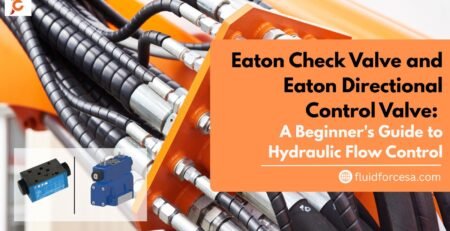
While pressure reducing valves manage how much pressure reaches a given part of a circuit, check valves manage the direction of flow. An Eaton check valve is a simple but critical component that allows hydraulic fluid to flow in one direction only, preventing backflow that could damage pumps, actuators, or other sensitive parts of the system.
Eaton is one of the most trusted names in hydraulic and fluid power components, and its check valves are built to handle demanding industrial conditions, including high pressure, contamination, and constant cycling. These valves are found in everything from mobile hydraulic equipment to stationary industrial machinery, wherever a one-way flow path needs to be enforced reliably.
How Eaton Check Valves Prevent Backflow
A check valve works using a simple mechanism, typically a spring-loaded poppet or ball, that opens when fluid flows in the intended direction and seats firmly closed when flow attempts to reverse. This prevents fluid from draining back through a pump when the system is shut off, protects actuators from unintended movement, and helps maintain consistent pressure throughout a circuit.
In systems where multiple pumps or accumulators are connected, check valves also prevent cross-flow between circuits operating at different pressures, which helps avoid unnecessary strain on components and reduces the risk of system failure.
Why the Right Supplier Matters
Not all check valves are created equal, and using a substandard or incompatible part can lead to leaks, pressure loss, or premature failure of upstream components. This is why sourcing a genuine Eaton check valve from an authorized supplier is so important. A properly matched and certified valve ensures compatibility with your existing hydraulic architecture and gives you confidence that the component will perform as specified under real operating conditions.
Both the Yuken pressure reducing valve and the Eaton check valve serve very different functions, but together they represent the kind of precision engineering that keeps modern hydraulic systems safe, efficient, and productive. Understanding how each component works helps operators and maintenance teams make better decisions when specifying replacement parts, designing new circuits, or diagnosing performance issues.
At Fluid Force, we provide solutions designed to help you meet the demands of your end-user customers. We are also well known for our repair services, both in-house and on site, which helps you save money by extending the life of your existing components. Whether you need genuine Yuken and Eaton parts or expert repair support, our team understands the technical requirements of industrial hydraulic systems across Saudi Arabia and the Gulf region.
If you are unsure which valve is right for your application, our specialists are ready to help you find the correct component and keep your operation running without interruption.
Fluid Force
Address: Building # – 6514 – Sibawayh Street, Al Muhammadiya – Dammam – 32432, Kingdom of Saudi Arabia
Phone: +966(0) 531 830 303
Email: sales@fluidforcesa.com