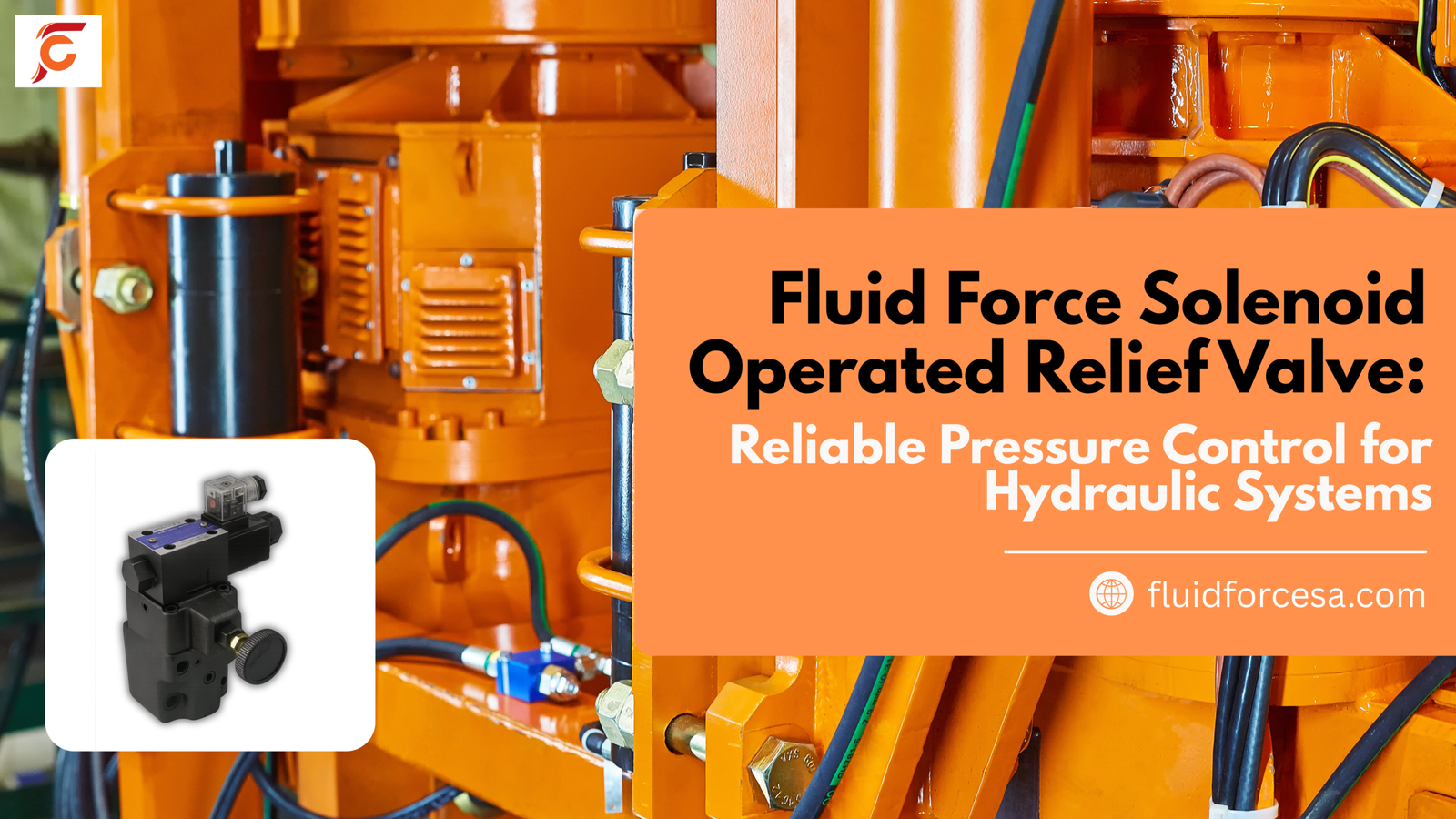
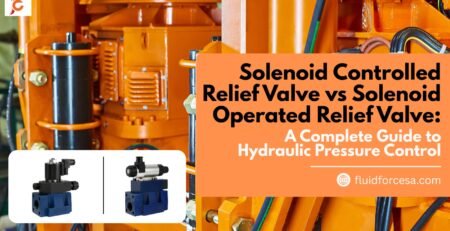
The Fluid Force Solenoid operated relief valve works to manage hydraulic system pressure by opening automatically when pressure exceeds the desired limit. The best Solenoid operated relief valve is essential for enhancing system safety, protection of hydraulic elements, and consistent performance in various applications.
What Is a Solenoid Operated Relief Valve?
Solenoid operated relief valves are electro-hydraulic valves designed to prevent hydraulic systems from experiencing high pressure. This type of valve utilizes the combination of a pressure relief valve together with an electric solenoid to control hydraulic pressure.
These types of valves are common in various applications including heavy machinery, hydraulic power units, machine tools, construction equipment, agricultural machinery, and automated manufacturing processes. The capability of these valves to maintain pressure consistency in machines enables them to work efficiently and prolong the life of the hydraulic elements.
Benefits of Using a Solenoid Operated Relief Valve
Protects hydraulic systems from overpressure.
Improves equipment safety and reliability.
Supports stable hydraulic performance.
Reduces maintenance and repair costs.
Enhances operational efficiency.
Offers precise pressure control.
Suitable for continuous industrial operation.
Compatible with various hydraulic applications.
Step-by-Step Guide to Selecting the Right Relief Valve
Step 1: Determine System Pressure Requirements
Be aware of the maximum operating pressure of the hydraulic system before choosing a relief valve.
Step 2: Consider Valve Compatibility
Make sure that the valve is compatible with your hydraulic system, fluid type, operating temperature, and installation requirements.
Step 3: Assess Valve Build Quality
Choose valves produced from quality materials and with high-level precision engineering.
Step 4: Select the Valve with Required Flow Capacity
Pick up a valve that will be able to function under your hydraulic system operational requirements without decreasing efficiency.
Solenoid Operated Relief Valve Comparison
Feature
Professional Hydraulic Valve
Pressure Regulation Accuracy
✔
Overpressure Safety
✔
Durable Build
✔
Quick Response
✔
Reliable Operation
✔
Ease of Maintenance
✔
Industrial Applicability
✔
Advantages of Fluid Force Products
Fluid Force produces hydraulic products made to operate under the conditions of challenging industrial environments. The hydraulic valves of Fluid Force are engineered to ensure precision and reliability in operation.
Companies who select Fluid Force solenoid operated relief valve ensure themselves of reliable pressure control, which ensures their hydraulic equipment protection and high-performance operation.
Applications, Maintenance, and FAQs
Applications of Solenoid Operated Relief Valves
Solenoid operated relief valves are extensively used in hydraulic systems to control the pressure of the liquid inside them. They control the pressure by discharging the excess amount of hydraulic fluid when it surpasses the preset pressure value to prevent overpressure and subsequent damage of the pump, cylinder, valves, etc.
The typical applications are the following:
Hydraulic power units
Machine tools and CNC machines
Injection molding machines
Hydraulic presses
Construction and earthmoving equipment
Agricultural machinery
Material handling equipment
Automation and manufacturing systems
An adequately selected solenoid operated relief valve guarantees not only safety of the equipment but also increases its efficiency due to steady hydraulic pressure. Inspections and appropriate installation also help achieve this goal.
Tips for Maintaining Hydraulic Relief Valves
Maintenance contributes to increasing the valve performance and preventing unforeseen breakdowns.
Inspect the Valve Periodically
Regular inspections help identify wear, contamination, or damage before they affect system performance.
Maintain Clean Hydraulic Fluid
Clean hydraulic oil minimizes internal wear and prevents contaminants from affecting valve operation.
Check Electrical Connections
Ensure the solenoid coil and electrical connections remain secure and free from damage to maintain reliable valve actuation.
Monitor System Pressure
Periodically verify that the valve is operating at the specified pressure setting and make adjustments only according to the manufacturer’s recommendations.
Follow Preventive Maintenance Schedules
Routine servicing and timely replacement of worn components help extend the valve’s lifespan and improve hydraulic system reliability.
Frequently Asked Questions
1. What is a solenoid operated relief valve?
It is an electro-hydraulic valve that automatically limits system pressure by releasing excess hydraulic fluid when pressure exceeds a preset value.
2. Why is pressure control important in hydraulic systems?
Proper pressure control protects hydraulic components, improves equipment safety, and helps maintain efficient and reliable system performance.
3. Where are these valves commonly used?
These devices are commonly applied in industrial machines, hydraulic presses, vehicles, construction machines, manufacturing facilities, and hydraulic power units.
4. How frequently should a relief valve be checked?
It depends on conditions of operation, but the regular preventive maintenance is recommended to assure its constant efficiency.
5. Could proper selection of a valve increase hydraulic efficiency?
Yes. Selection of an appropriate valve according to required pressure, flow rate, and compatibility of the system could contribute to better efficiency and lower maintenance expenses.
Conclusion
Pressure regulation plays an important role for safe and efficient work of every hydraulic system. Quality relief valve could protect expensive equipment, increase reliability and productivity of hydraulic systems. By means of the proper choice of hydraulic valve, right installation and maintenance industries would be able to increase reliability and reduce downtime and operational expenses of their hydraulic systems.
Author Bio
Fluid Force
Fluid Force is a manufacturer and supplier of hydraulic components and fluid power systems for industrial and mobile operations. The company provides a wide selection of hydraulic valves, pumps, cylinders, power packs, manifolds and other products, manufactured with reliability, precision and durability in mind.
ADDRESS:
Building # – 6514 – Sibawayh Street, Al Muhammadiya – Dammam – 32432, Kingdom of Saudi Arabia
In today’s industrial hydraulic systems, pressure control is no longer just about protection, it’s about efficiency, flexibility and remote operation. A...
Dowty hydraulic pumps are external gear pumps that powered a wide range of agricultural, construction, mobile, and industrial equipment for decades. Although...
Hydraulic systems depend on precise pressure control and reliable flow direction to keep industrial operations running safely and efficiently. Two components that...