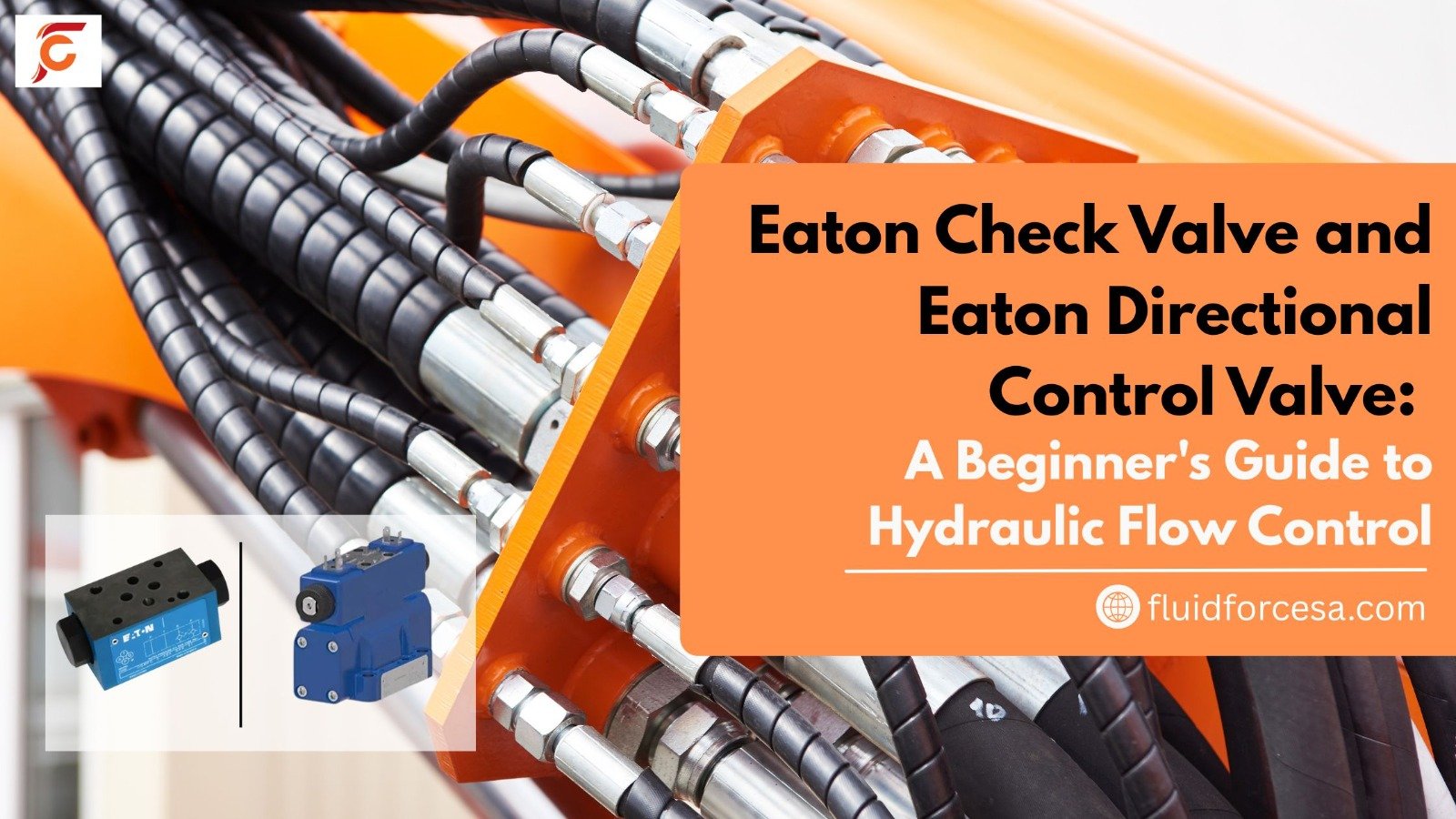
In any hydraulic system, controlling the direction and flow of pressurized fluid is fundamental to efficient and safe operation. Two of the most essential components that perform this function are the check valve and the directional control valve. Among the most trusted names in the hydraulic industry, Eaton has established a strong reputation for producing reliable, high-performance components used across a wide range of industrial and mobile applications. This guide covers the basics of the Eaton check valve, explores how the Eaton directional control valve works, and explains why these components matter for your hydraulic system.
Understanding the Eaton Check Valve
A check valve is one of the simplest yet most critical components in a hydraulic circuit. Its primary function is to allow fluid to flow in one direction only, preventing reverse flow that could damage pumps, actuators, or other sensitive components in the system.
How Does an Eaton Check Valve Work?
The Eaton check valve operates on a straightforward mechanical principle. When hydraulic fluid flows in the intended direction, the pressure pushes open an internal element — typically a poppet or ball — allowing fluid to pass through. When the flow attempts to reverse direction, the internal element is pushed back into its seat by back pressure and spring force, effectively sealing the valve and blocking reverse flow.
This automatic, self-actuating design requires no external control signal or power source, making check valves a passive but vital safety mechanism in hydraulic circuits.
Common Types of Eaton Check Valves
Eaton manufactures a variety of check valve configurations to suit different system requirements:
- Inline check valves – installed in-line with hydraulic tubing or piping for straightforward unidirectional flow control.
- Pilot-operated check valves – include a pilot port that allows the valve to be opened in the reverse direction under controlled conditions, offering greater system flexibility.
- Cartridge check valves – compact designs that can be integrated directly into manifold blocks, saving space and reducing potential leak points.
Where Are Eaton Check Valves Used?
Eaton check valves are found in a wide range of applications, including construction machinery, agricultural equipment, industrial presses, marine hydraulic systems, and oil and gas infrastructure. They are commonly used to:
- Protect hydraulic pumps from back pressure surges.
- Maintain pressure in circuits when the pump is not running.
- Prevent load drop in vertical or suspended load applications.
- Ensure sequential circuit operation in multi-actuator systems.
The robust construction and tight tolerances of Eaton check valves make them suitable for demanding operating conditions, including high-pressure environments and systems with variable flow rates.
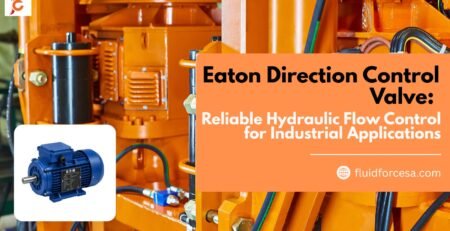
What Is an Eaton Directional Control Valve?
While a check valve passively manages flow direction, a directional control valve actively controls which path hydraulic fluid takes within a circuit. The Eaton directional control valve is an actively actuated component that routes pressurized fluid to different parts of the system — such as extending or retracting a hydraulic cylinder, or reversing the direction of a hydraulic motor.
How Does an Eaton Directional Control Valve Work?
Eaton directional control valves work by shifting an internal spool or poppet inside the valve body. This spool movement opens and closes different flow paths, connecting the pump supply to various actuator ports while simultaneously directing return flow back to the tank.
The valve is described by its number of ports (ways) and the number of switching positions. For example, a 4/3 directional control valve has 4 ports and 3 operating positions — typically: extend, retract, and neutral. The neutral position may be open centre, closed centre, or tandem centre depending on the circuit design requirements.
Actuation methods for Eaton directional control valves include:
- Manual levers – for direct operator control in simple systems.
- Solenoid actuation – electrically controlled shifting, ideal for automated or remote-controlled systems and PLC integration.
- Hydraulic pilot actuation – uses a secondary pilot pressure signal to shift the main valve spool, enabling control of high-flow valves using a smaller control signal.
- Pneumatic actuation – suitable for certain industrial environments where pneumatic control signals are already available.
Eaton’s directional control valves are engineered for precision shifting, minimal internal leakage, and long service life even in high-cycle applications. They are available in a broad range of sizes, flow ratings, and pressure ratings to match specific system demands.
Key Differences Between a Check Valve and a Directional Control Valve
Understanding when to use each type of valve is essential for effective hydraulic system design. The Eaton check valve is a passive device that automatically prevents reverse flow without any external command — it reacts to system pressure conditions. The Eaton directional control valve, by contrast, is an active device that requires an operator command or control signal to shift and redirect flow. In most hydraulic systems, both types of valves work together: check valves protect the circuit and maintain pressure, while directional control valves provide the operational control needed to perform work.
Why Source Eaton Hydraulic Components from Fluid Force?
Fluid Force is a trusted supplier and repair specialist for hydraulic components across the Gulf region, headquartered in Dammam, Saudi Arabia. Whether you need genuine Eaton check valves or Eaton directional control valves — new or refurbished — Fluid Force offers expert sourcing, technical support, and fast turnaround to minimise your downtime.
Our in-house and on-site repair capabilities mean that even if a component has reached the end of its service life, our technicians can assess, repair, or replace it with precision — extending the operational lifespan of your hydraulic systems and helping you manage costs effectively.
Contact Fluid Force Today
Address: Building # – 6514 – Sibawayh Street, Al Muhammadiya – Dammam – 32432, Kingdom of Saudi Arabia
Phone: +966(0) 531 830 303
Email: sales@fluidforcesa.com