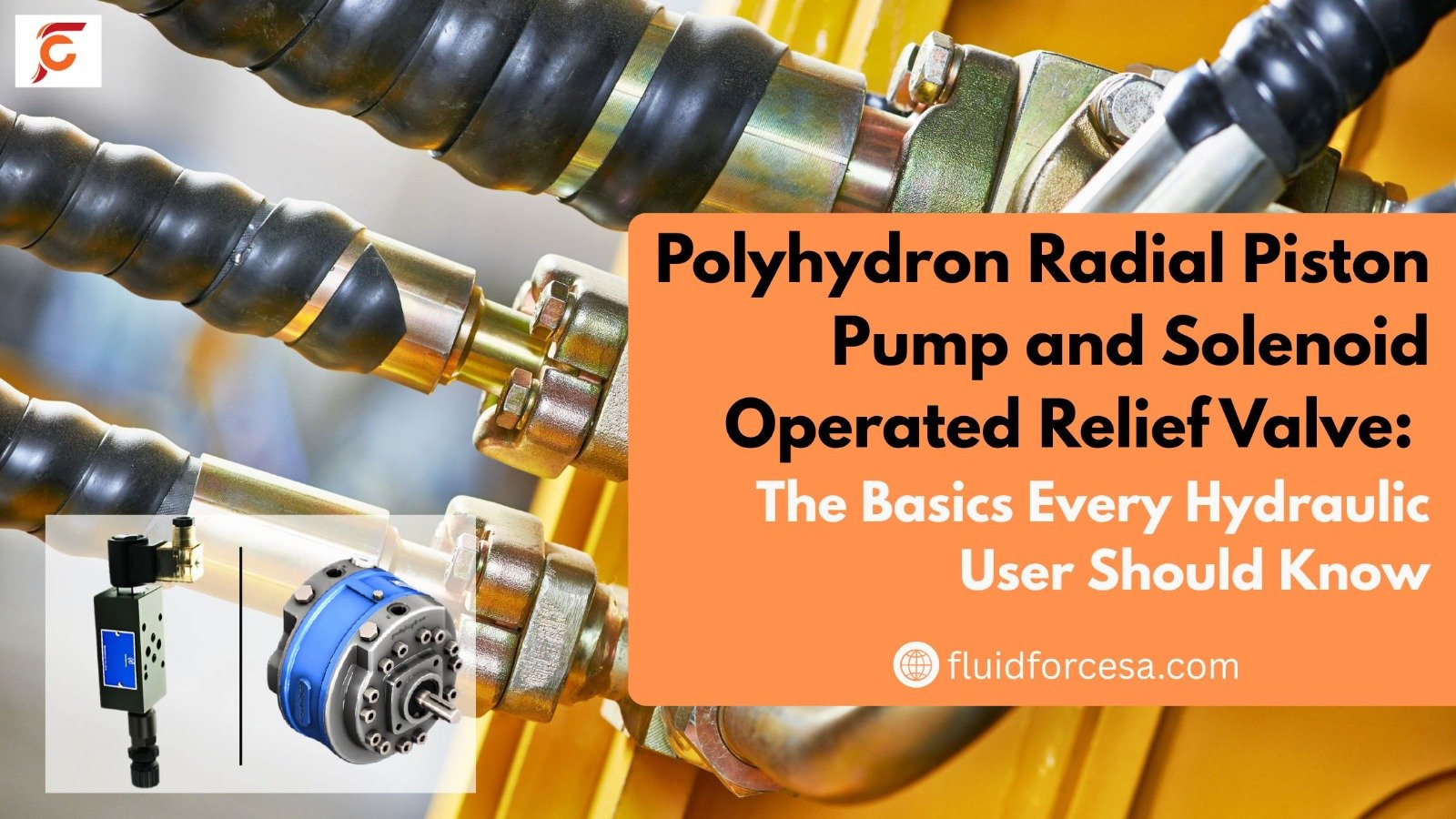
Hydraulic systems live or die by the quality of their core components, and two names that come up often in industrial circuits are the polyhydron radial piston pump and the solenoid operated relief valve. Whether you are specifying a new system, sourcing a replacement part, or troubleshooting an existing setup, understanding what these components do and how they work together can save you significant downtime and repair costs over the life of your equipment. At Fluid Force, we work with these units daily, supplying, repairing, and advising clients across Saudi Arabia and the wider Gulf region on getting the most out of their hydraulic equipment, whether the goal is a new installation or extending the service life of machinery already on the floor.
What Is a Polyhydron Radial Piston Pump?
A radial piston pump is a type of positive displacement pump where pistons are arranged radially around a central shaft, rather than in a straight line as in axial piston designs. Polyhydron, a well-established Indian manufacturer with decades of experience in hydraulic engineering, builds these pumps to deliver high-pressure output with excellent durability, making them a popular choice in machine tools, plastic processing equipment, presses, and other demanding industrial applications where consistent performance under load is essential.
How It Works
As the central eccentric shaft or cam rotates, it drives the pistons outward and inward in a radial pattern around the housing. Each piston draws in hydraulic fluid during its outward stroke and forces it out under pressure during its inward stroke. Because multiple pistons fire in sequence rather than all at once, the pump produces a smooth, consistent flow with minimal pulsation, which is a key advantage over many other pump designs, particularly in applications where flow stability directly affects product quality or process accuracy. The radial arrangement also allows for compact housings relative to the pressure output the pump can achieve, which is useful where panel or skid space is limited.
Why Industries Choose Radial Piston Pumps
These pumps are valued for their ability to handle very high pressures, often well beyond what gear or vane pumps can manage, while maintaining efficiency over long duty cycles. They also tend to have a long service life when properly maintained, which matters in industries where unplanned downtime is costly and difficult to schedule around. Common applications include hydraulic presses, injection molding machines, test rigs, steel and metal processing lines, and other systems where precise, high-pressure flow is non-negotiable. Many operators also favor radial piston designs for their relatively low noise levels compared to other high-pressure pump types, which contributes to a safer and more comfortable working environment on the shop floor.
Sourcing New and Used Units
Because Polyhydron pumps are built for longevity, well-maintained used units can still offer years of reliable service at a fraction of the cost of new equipment. This makes sourcing from a supplier who understands the difference between a worn pump and one with genuine remaining service life particularly important, since a poor purchase decision can cost more in downtime than it saves in upfront price.
Understanding the Solenoid Operated Relief Valve
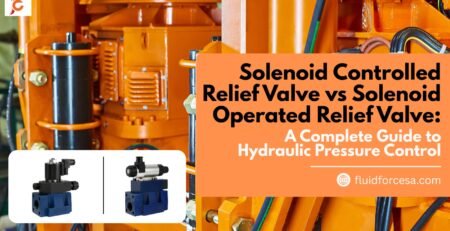
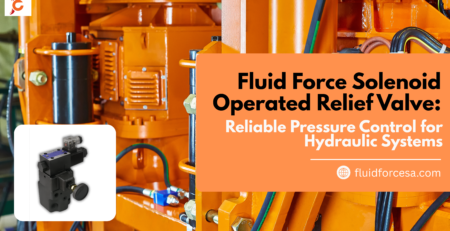
A solenoid operated relief valve is a safety and control component that protects a hydraulic system from excessive pressure buildup. Unlike a standard mechanical relief valve, which is set to a fixed pressure and cannot be adjusted without manual intervention, a solenoid operated relief valve uses an electrically actuated solenoid to control when and how the valve opens, giving operators remote or automated control over pressure relief from a control panel or PLC.
Core Function and Operation
Under normal conditions, the valve stays closed, allowing the system to build and maintain working pressure as required by the application. When pressure exceeds a preset limit, or when the solenoid is energized by the control system, the valve opens to redirect excess fluid back to the tank, protecting pumps, hoses, cylinders, and other downstream components from damage caused by pressure spikes. Because the solenoid allows electronic control, these valves are also frequently used to unload the pump during idle periods between operating cycles, reducing heat generation, lowering energy consumption, and reducing wear on seals and components throughout the system.
Solenoid operated relief valves are common in systems that need programmable pressure control, such as automated manufacturing lines, mobile equipment, multi-stage hydraulic circuits, and any application where pressure settings need to change depending on the stage of operation. Their ability to be integrated with PLCs and control panels makes them a practical choice wherever precision, repeatability, and automation are priorities rather than nice-to-haves. If you are sourcing components for your hydraulic system, exploring a solenoid operated relief valve from a trusted supplier ensures you get a unit properly matched to your pressure rating, flow capacity, and control voltage requirements, rather than a generic part that only partially fits the application.
Both the polyhydron radial piston pump and the solenoid operated relief valve play distinct but complementary roles in a hydraulic circuit: one generates controlled, high-pressure flow, and the other protects the system from the consequences of that pressure going unchecked. Getting the specification, installation, and maintenance of these components right is often what separates a reliable hydraulic system from one that is prone to repeated breakdowns and costly unplanned stoppages.
At Fluid Force, we don’t just supply these components, we also provide in-house and on-site repair services that help extend the life of your existing equipment, saving you the cost of premature replacement wherever a repair is the smarter option. Whether you need a new pump, a replacement valve, or an expert diagnosis of an underperforming hydraulic system, our team has the experience to help you make the right call.
Get in touch with us:
Address: Building # – 6514 – Sibawayh Street Al Muhammadiya – Dammam – 32432 Kingdom of Saudi Arabia
Phone: +966(0) 531 830 303
Email: sales@fluidforcesa.com