Shop By Category
00 items

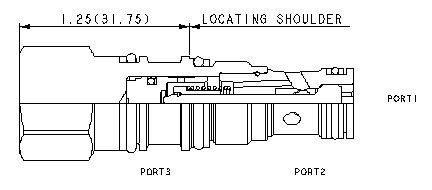

This valve is a pilot to open check valve. It has a sealed pilot, a steel seat, and is non-vented. It allows free flow from the valve (port 2) to the load (port 1) and blocks flow in the opposite direction. Pressure at the pilot (port 3) will open the valve from port 1 to port 2. Pilot pressure needed at port 3 to open the valve is directly proportional to the load pressure at port 1. Pressure at port 2 directly opposes pilot pressure.


This valve is a pilot to open check valve. It has a non-sealed pilot, a steel seat, and is non-vented. It allows free flow from the valve (port 2) to the load (port 1) and blocks flow in the opposite direction. Pressure at the pilot (port 3) will open the valve from port 1 to port 2. Pilot pressure needed at port 3 to open the valve is directly proportional to the load pressure at port 1. Pressure at port 2 directly opposes pilot pressure.
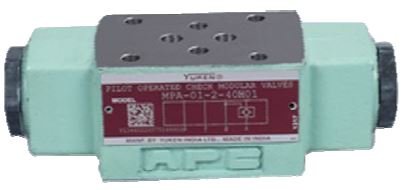

They are non-modulating valves which allow free flow through the check valve into the actuator (V2 to C2) and then block the reverse flow until they feel a pilot pressure directly proportional to the load in the pilot line, so that the pilot piston can push the check poppet off its seat. They can lock loads in a leak free mode and they are well suited for many clamping applications or to prevent a negative load from falling down in case of hose failure. They should be fitted as close as possible to the actuator, either flange mounted or connected through metallic pipe.
They are non-modulating valves which allow free flow through the check valve into the actuator (V2 to C2) and then block the reverse flow until they feel a pilot pressure directly proportional to the load in the pilot line, so that the pilot piston can push the check poppet off its seat. They can lock loads in a leak free mode and they are well suited for many clamping applications or to prevent a negative load from falling down in case of hose failure. They should be fitted as close as possible to the actuator, either flange mounted or connected through metallic pipe.
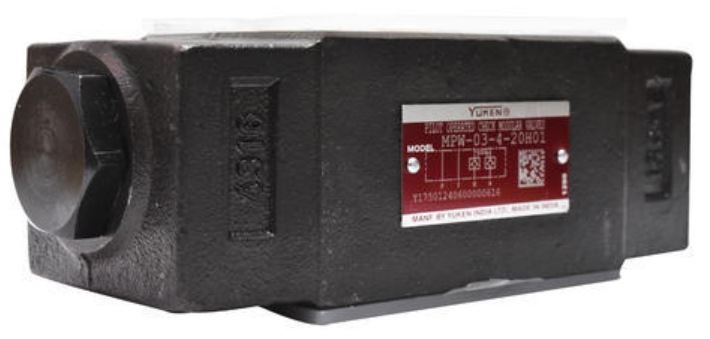
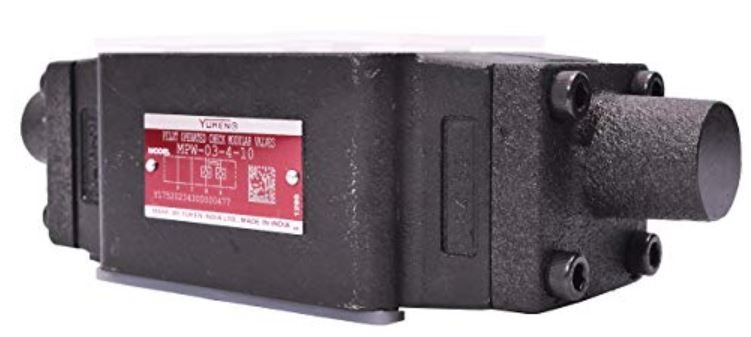
They are non-modulating valves which allow free flow through the check valve into the actuator (V2 to C2) and then block the reverse flow until they feel a pilot pressure directly proportional to the load in the pilot line, so that the pilot piston can push the check poppet off its seat. They can lock loads in a leak free mode and they are well suited for many clamping applications or to prevent a negative load from falling down in case of hose failure. They should be fitted as close as possible to the actuator, either flange mounted or connected through metallic pipe.
They are non-modulating valves which allow free flow through the check valve into the actuator (V2 to C2) and then block the reverse flow until they feel a pilot pressure directly proportional to the load in the pilot line, so that the pilot piston can push the check poppet off its seat. They can lock loads in a leak free mode and they are well suited for many clamping applications or to prevent a negative load from falling down in case of hose failure. They should be fitted as close as possible to the actuator, either flange mounted or connected through metallic pipe.

They are non-modulating valves which allow free flow through the check valve into the actuator (V2 to C2) and then block the reverse flow until they feel a pilot pressure directly proportional to the load in the pilot line, so that the pilot piston can push the check poppet off its seat. They can lock loads in a leak free mode and they are well suited for many clamping applications or to prevent a negative load from falling down in case of hose failure. They should be fitted as close as possible to the actuator, either flange mounted or connected through metallic pipe.
They are non-modulating valves which allow free flow through the check valve into the actuator (V2 to C2) and then block the reverse flow until they feel a pilot pressure directly proportional to the load in the pilot line, so that the pilot piston can push the check poppet off its seat. They can lock loads in a leak free mode and they are well suited for many clamping applications or to prevent a negative load from falling down in case of hose failure. They should be fitted as close as possible to the actuator, either flange mounted or connected through metallic pipe.
Error: Contact form not found.
They are non-modulating valves which allow free flow through the check valve into the actuator (V2 to C2) and then block the reverse flow until they feel a pilot pressure directly proportional to the load in the pilot line, so that the pilot piston can push the check poppet off its seat. They can lock loads in a leak free mode and they are well suited for many clamping applications or to prevent a negative load from falling down in case of hose failure. They should be fitted as close as possible to the actuator, either flange mounted or connected through metallic pipe.
Error: Contact form not found.
They are non-modulating valves which allow free flow through the check valve into the actuator (V2 to C2) and then block the reverse flow until they feel a pilot pressure directly proportional to the load in the pilot line, so that the pilot piston can push the check poppet off its seat. They can lock loads in a leak free mode and they are well suited for many clamping applications or to prevent a negative load from falling down in case of hose failure. They should be fitted as close as possible to the actuator, either flange mounted or connected through metallic pipe.
Error: Contact form not found.
They are non-modulating valves which allow free flow through the check valve into the actuator (V2 to C2) and then block the reverse flow until they feel a pilot pressure directly proportional to the load in the pilot line, so that the pilot piston can push the check poppet off its seat. They can lock loads in a leak free mode and they are well suited for many clamping applications or to prevent a negative load from falling down in case of hose failure. They should be fitted as close as possible to the actuator, either flange mounted or connected through metallic pipe.
They are non-modulating valves which allow free flow through the check valve into the actuator (V2 to C2) and then block the reverse flow until they feel a pilot pressure directly proportional to the load in the pilot line, so that the pilot piston can push the check poppet off its seat. They can lock loads in a leak free mode and they are well suited for many clamping applications or to prevent a negative load from falling down in case of hose failure. They should be fitted as close as possible to the actuator, either flange mounted or connected through metallic pipe.
